Back in 2019, when I was a member of CREC coworking, my coworker Nicola and I had some fun illustrating common English phrases in photographic form. ‘Guess the phrase’ was a weekly competition on the coworking’s Facebook group. Below are all the photos and the phrases they show.
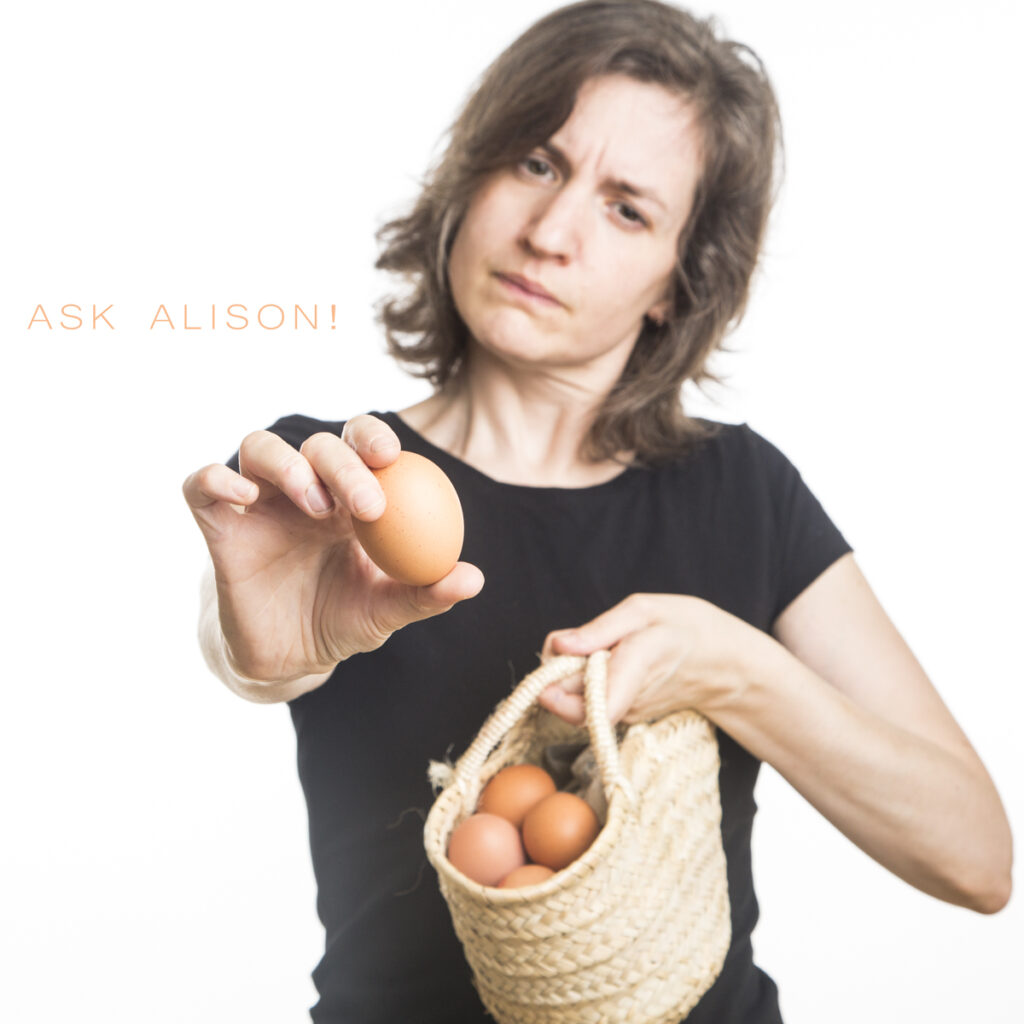
Putting all your eggs in one basket means to not spread the risk, instead committing everything to one possibility. As in “María had all her savings in the business, so when it failed she lost everything. She really shouldn’t have put all her eggs in one basket.”
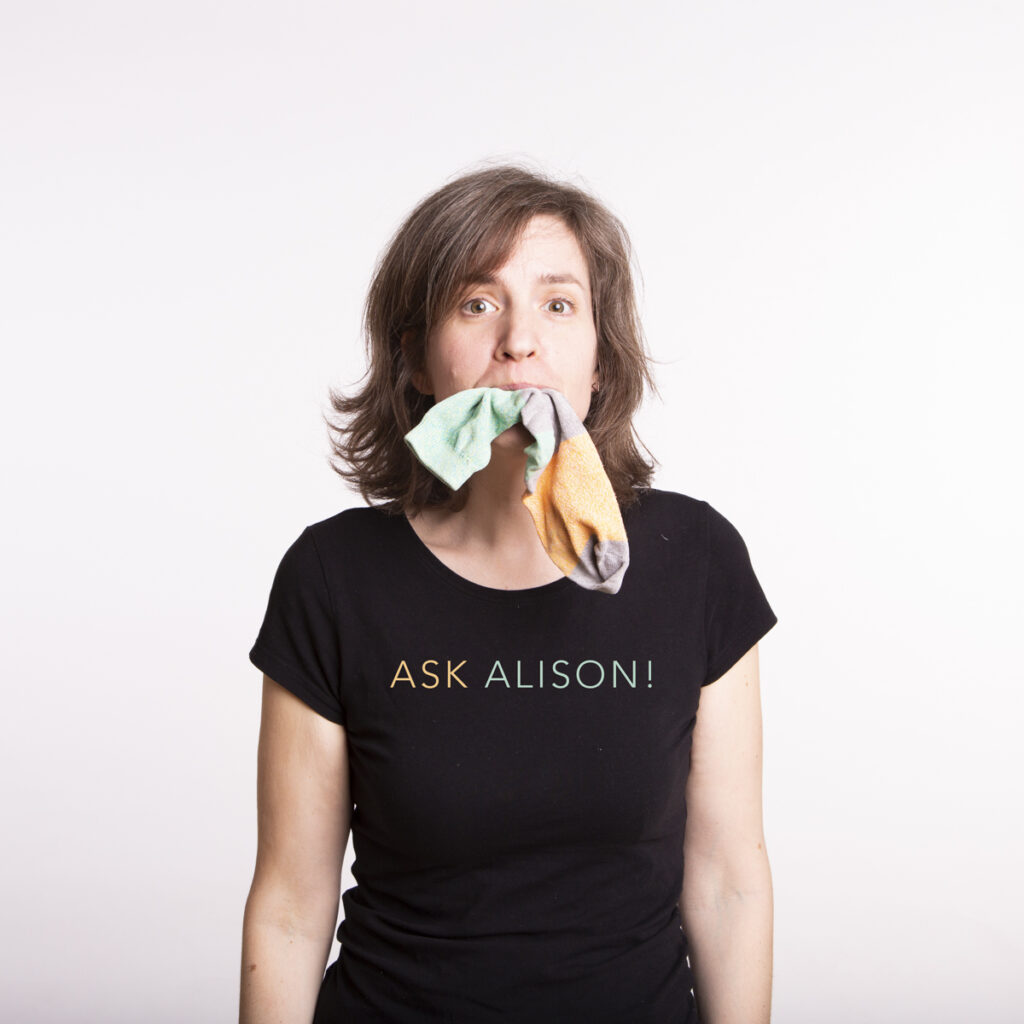
Put a sock in it! In other words, shut up, stop talking, I can’t bear to listen to you any more. I posted this to the CREC Facebook group just before Christmas, in case anyone needed such a phrase over the holidays…
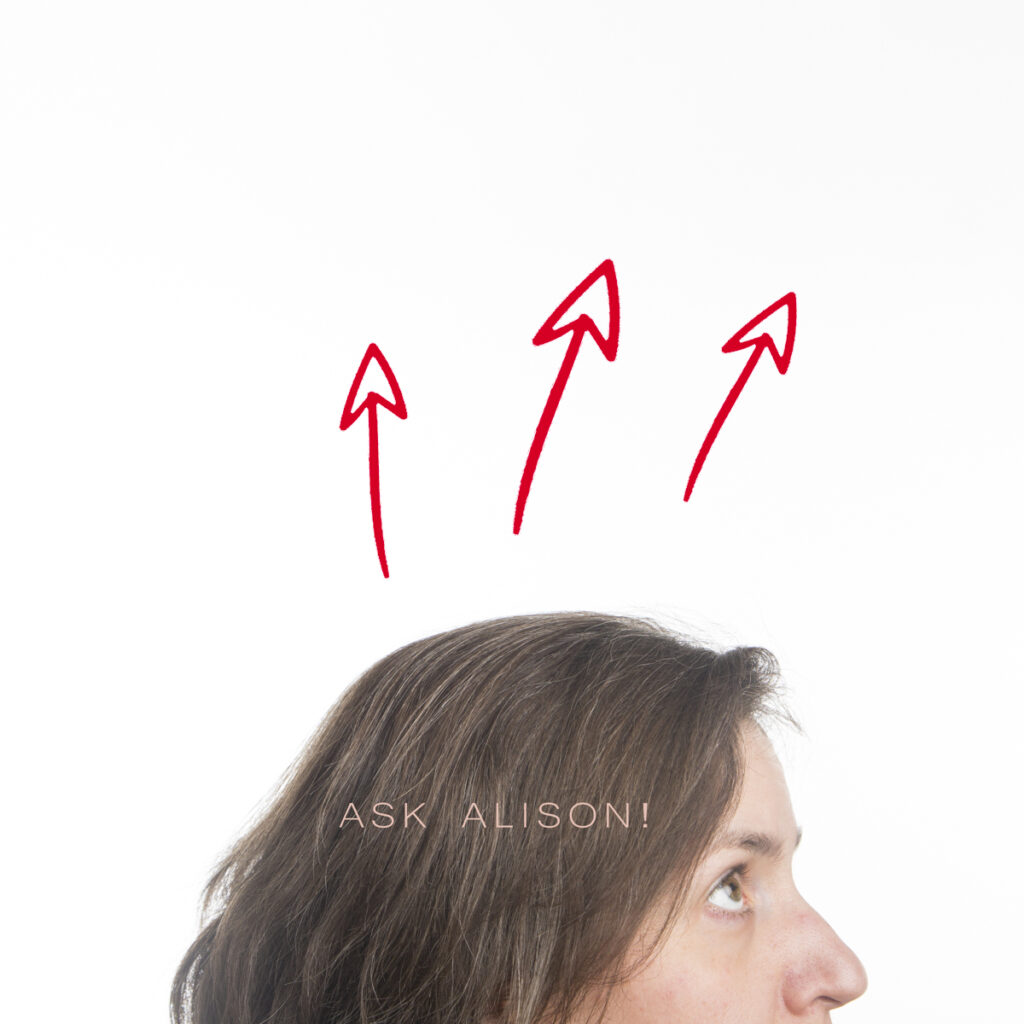
“I can’t think of an example for this phrase off the top of my head…let me get back to you later!” It means ideas or thoughts that come to mind immediately.
I have really realised through my teaching how much English is a language that likes to make metaphors, concepts and abstract ideas from physical and kinaesthetic roots. This is often how phrasal verbs work and so why they just make sense to native speakers.
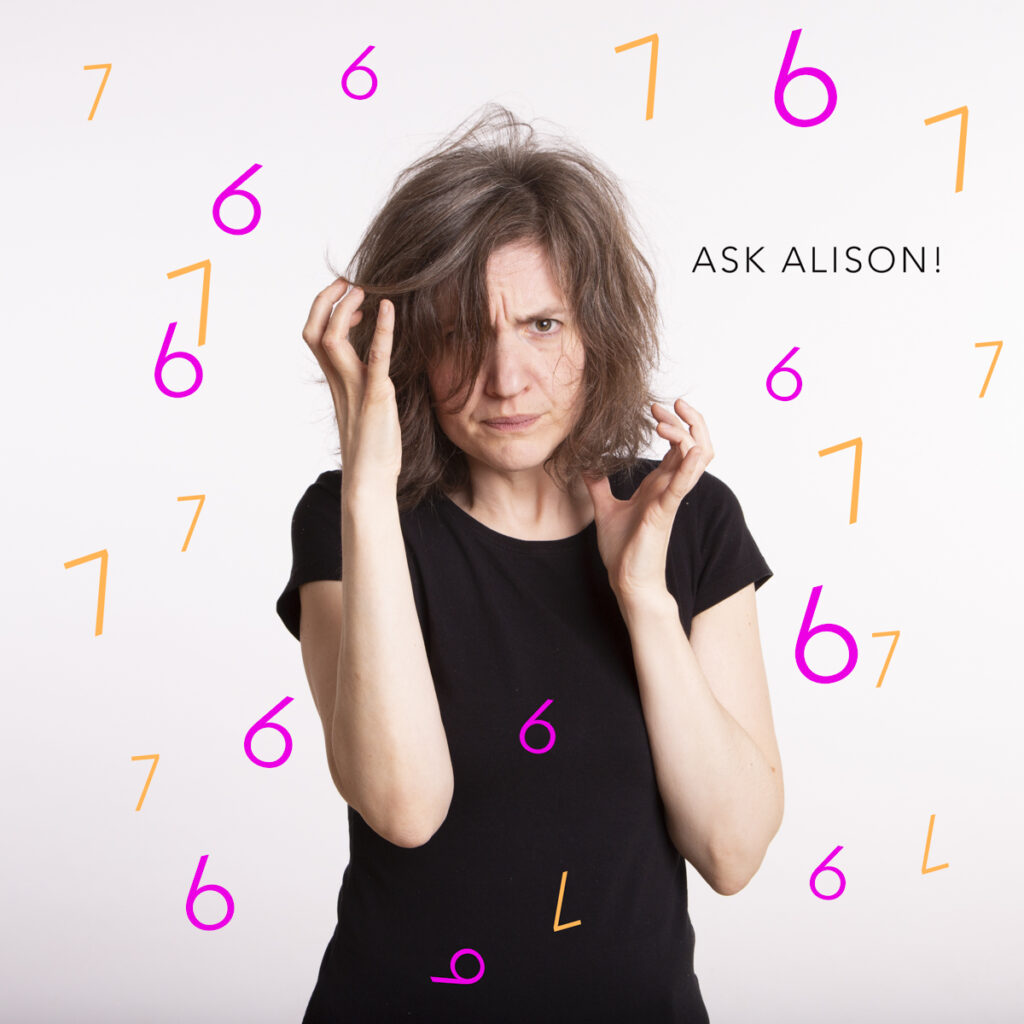
To be at sixes and sevens is to be all confused, in complete disorder. As in “Today I overslept, forgot my diary, my phone is broken…I don’t know what’s going on! I’m all at 6s and 7s! Aargh!” or “The Barça defence was all at 6s and 7s, so Espanyol easily scored three goals.”
The phrase even appears in the song Don’t Cry For Me, Argentina, from the musical Evita! Nobody really knows where it originated.
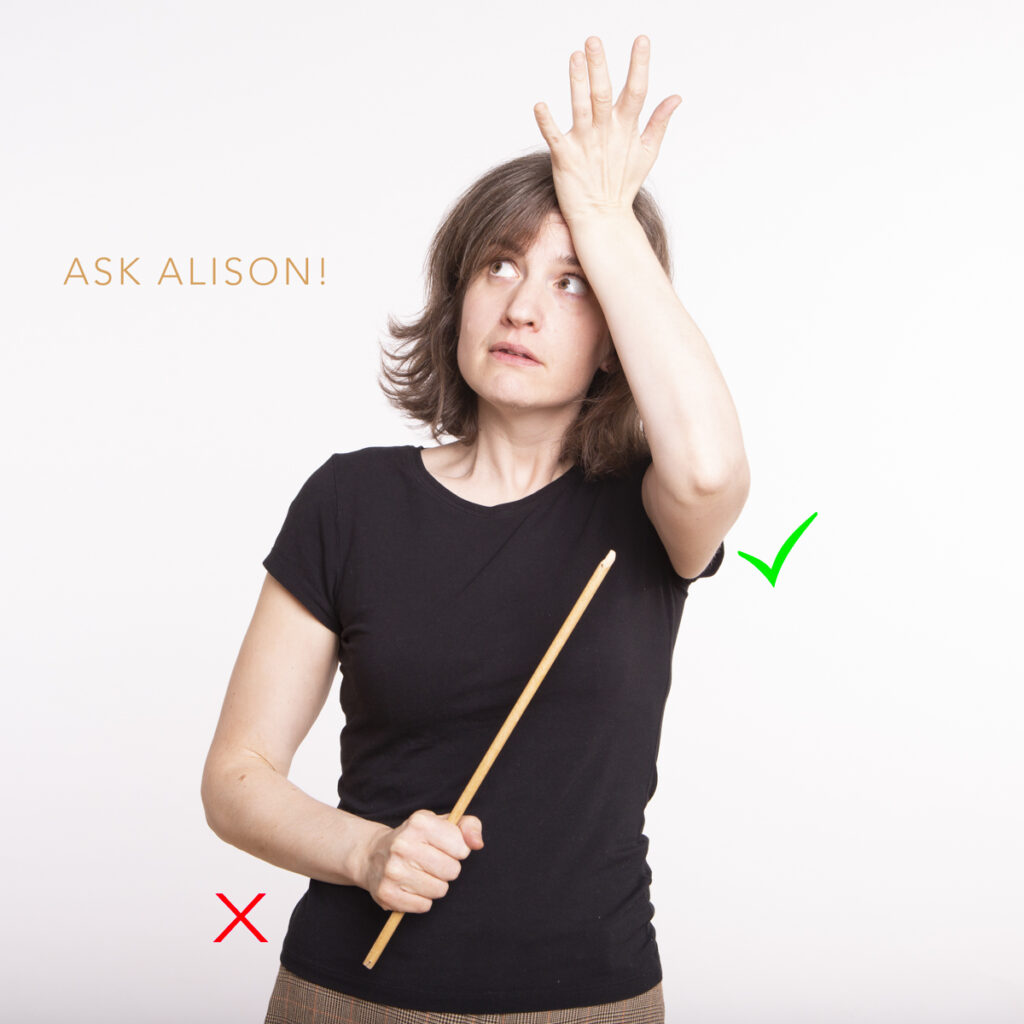
In this picture, I’ve got the wrong end of the stick, meaning to misunderstand a situation. As in “I thought they were coming over to my house first, but I got the wrong end of the stick and they all went straight to the bar.” Doh!
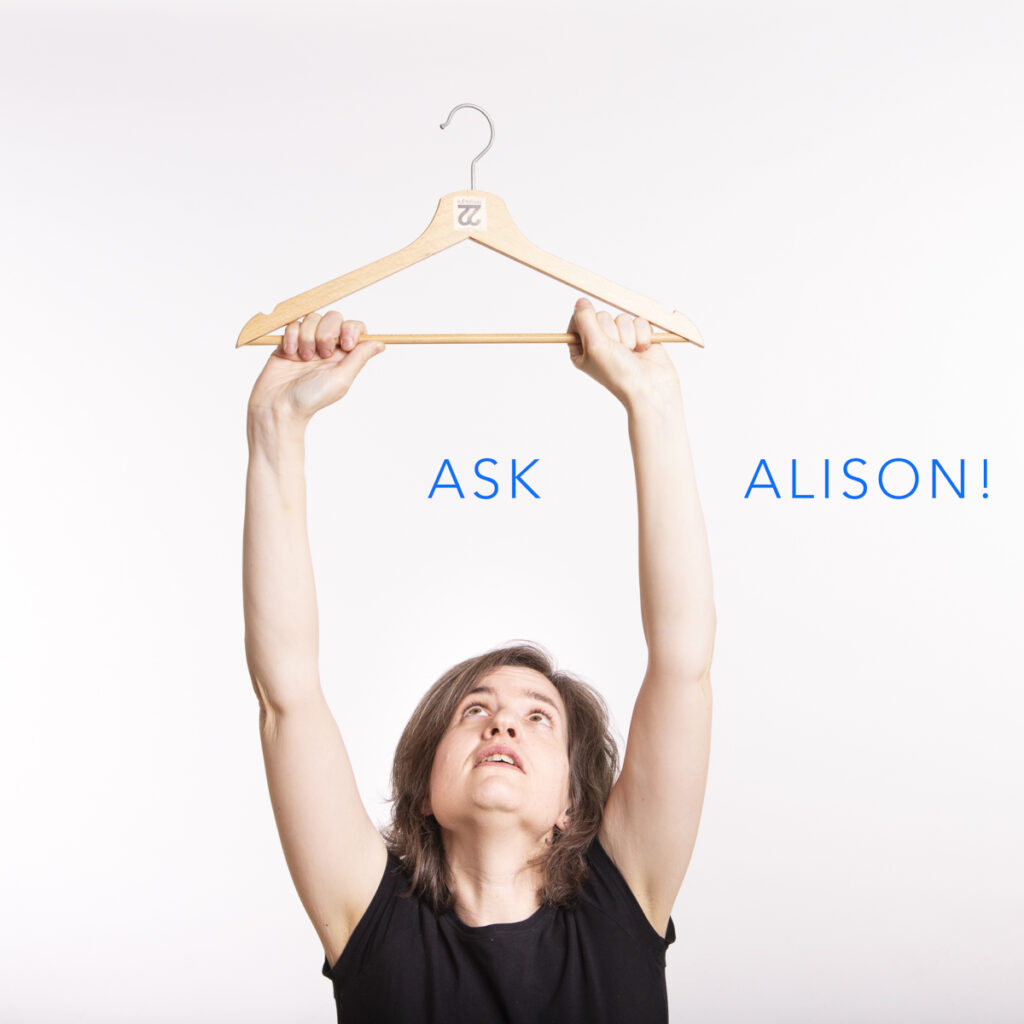
This picture illustrates phrasal verbs or phrases with ‘hang’. We have hang on (wait; not give up), hang onto (keep), hang up (stop a telephone call; put something on a wall, hook or hanger), hang out (spend time with friends; put wet clothes on the line to dry), hang in there (maintain effort), hang about (wait; loiter), hang back (remain behind everyone else), to hang over (unfinished unpleasant thing), to hang together (when a multi-layered project works).
See how some of these are quite abstract and complex to define? And this is just with ‘hang’. I even used another phrasal verb (give up) to define one of them! This is the English phrasal verb: the words taken literally on their own mean something else, or maybe nothing much (there are loads with ‘get’). Put them together in a particular context and some magic happens. They’re completely natural for us native speakers to understand the sense of them (it’s a lot to do with the preposition part and all the spatial and temporal associations we have with these). Absolute nightmare for people learning English as a foreign language.
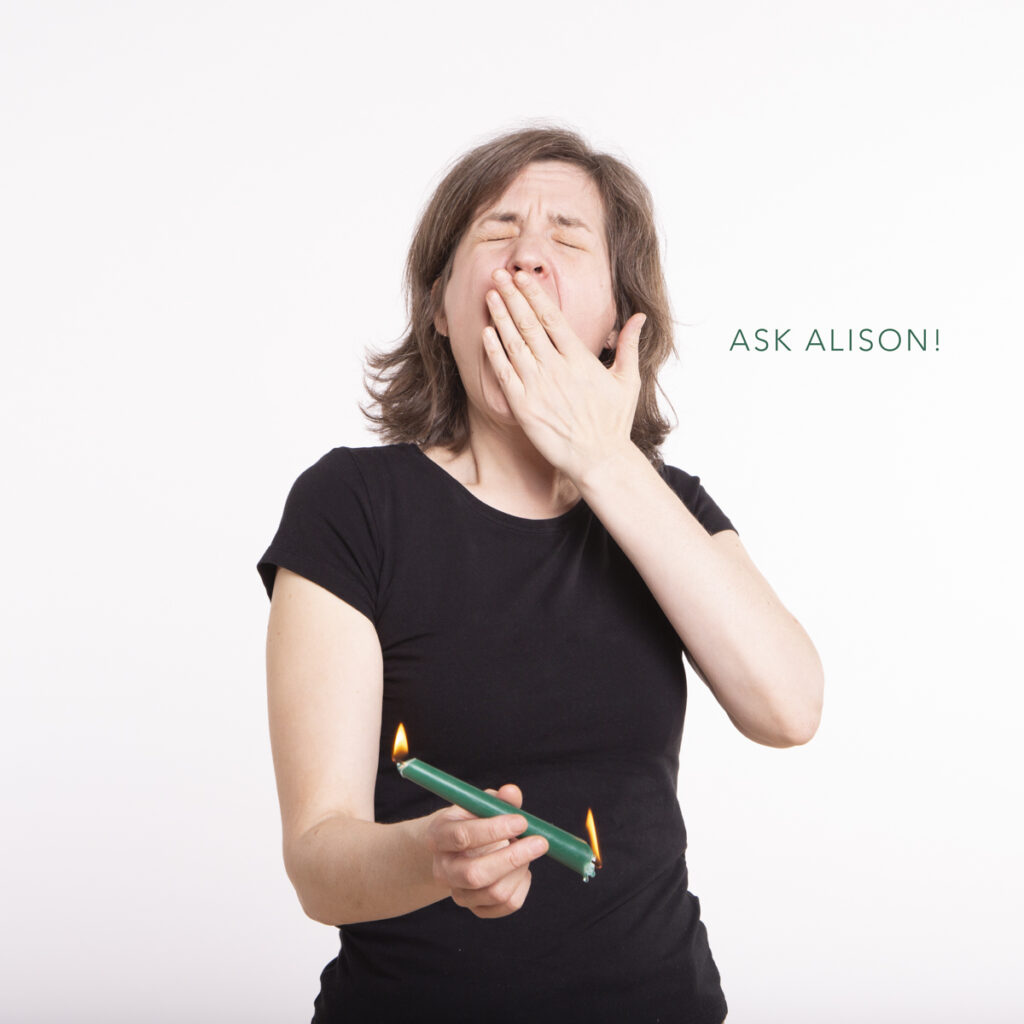
Here’s a good one for a Monday! Perhaps you’re feeling it after a weekend of late-night socialising and a hard day working? Early night for you! Don’t want you to wear yourself out by burning the candle at both ends (it makes a right mess I can tell you, wax all over the floor!).
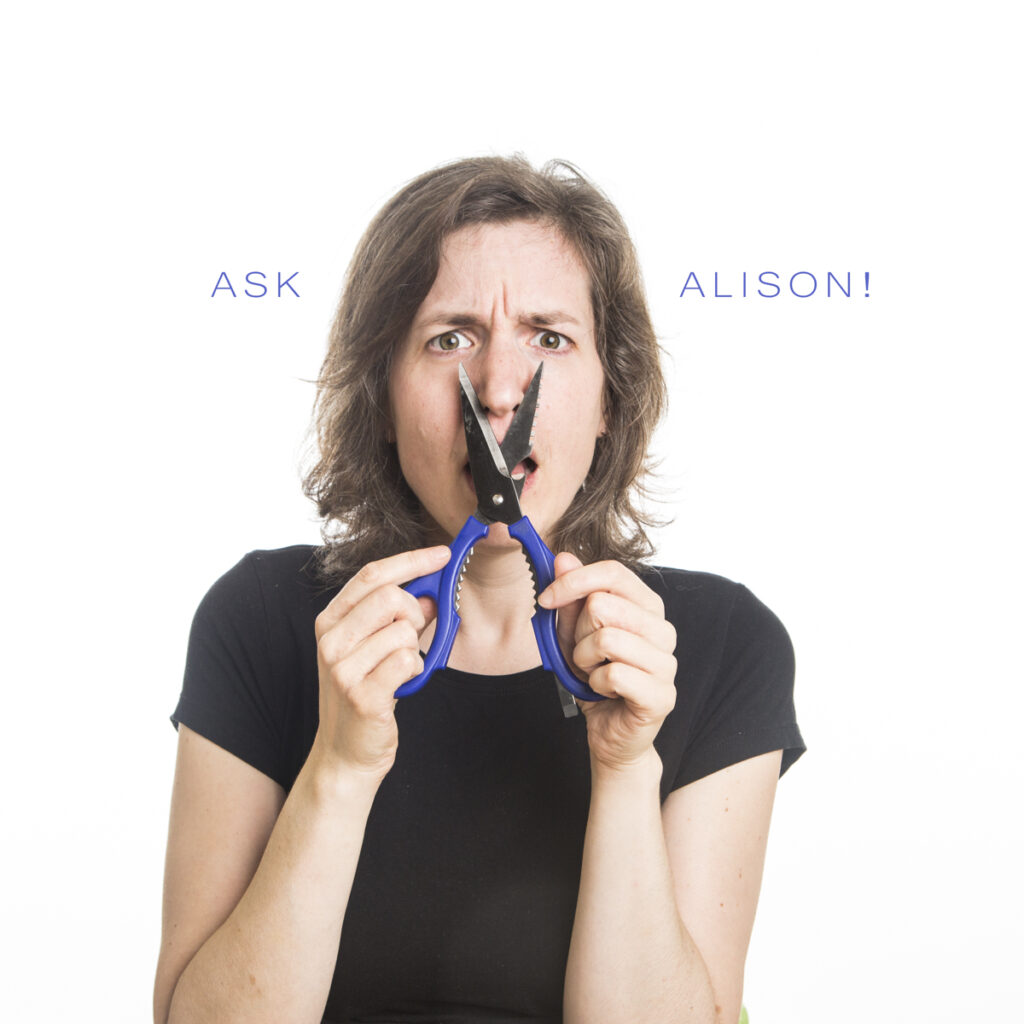
Damn you Face, I’ll show you! I’m going to cut off Nose, and we’ll see who’s laughing then! Ha!
So this expression means to do something harmful to someone else, maybe to get revenge for something they’ve done. But in doing so, you’re also hurting yourself, probably more. I think it comes from the Middle Ages when people actually did this sort of self-mutilation.
Spite is a desire to hurt, annoy or offend. Related but with a slightly different meaning is the phrase in spite of, which I find difficult to explain to learners of English.
In spite of the rain, we enjoyed our time at the beach. = Up yours, Rain! You thought you could ruin our day, but we had a good time anyway!
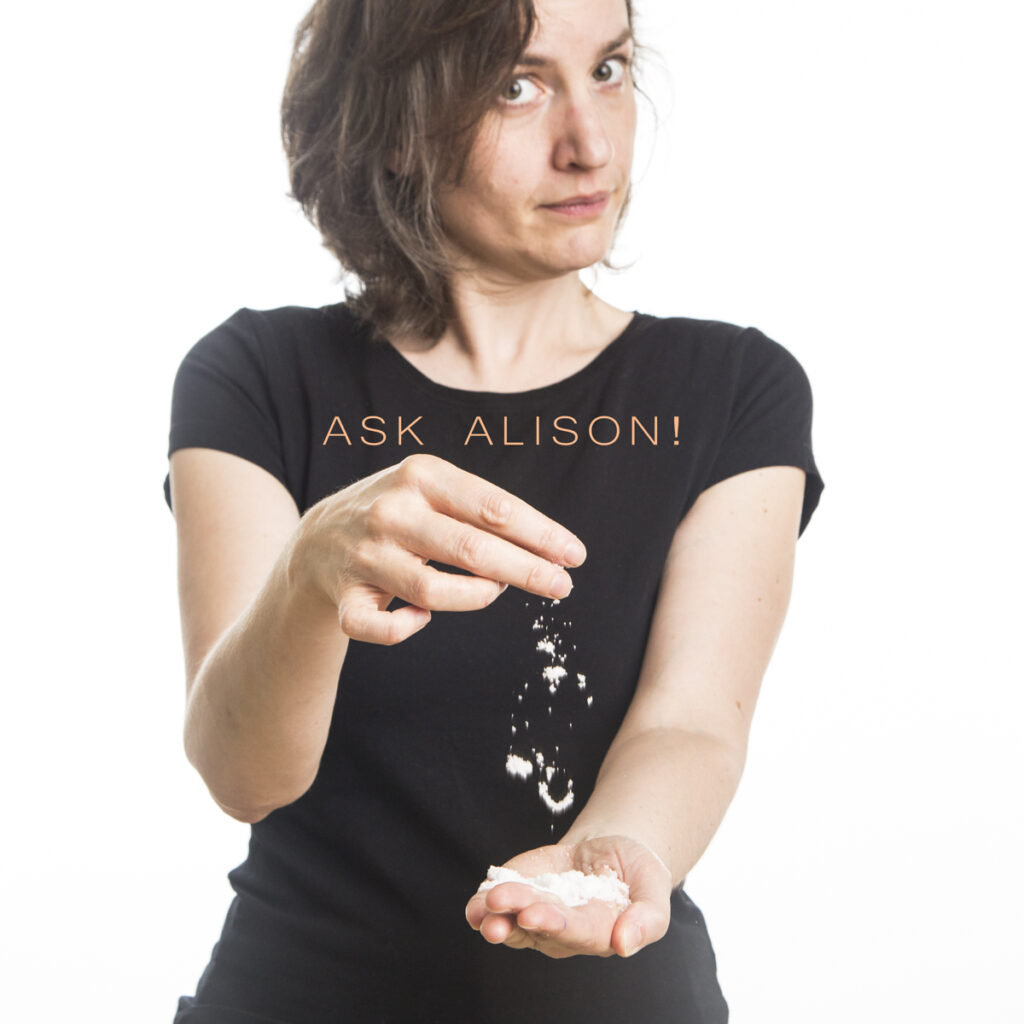
Do I have to take what you say with a pinch of salt? In other words, can I trust what you say? Or is it unpalatable and needs some seasoning?
American English favours a “grain” of salt, rather than a “pinch”. Pinch is better, I think; it’s got that kinaesthetic edge to it and conjures up so many more images. You can picture me actually putting thumb and forefinger together, picking up some salt and sprinkling it on the situation (as above).
The OED defines the phrase as “to regard something as exaggerated; believe only part of something”. Its origin seems to be culinary or even from a recipe for an antidote to poison! For sure, most things taste better with a pinch of salt, though if the ingredients are of the highest quality, it may be unnecessary.
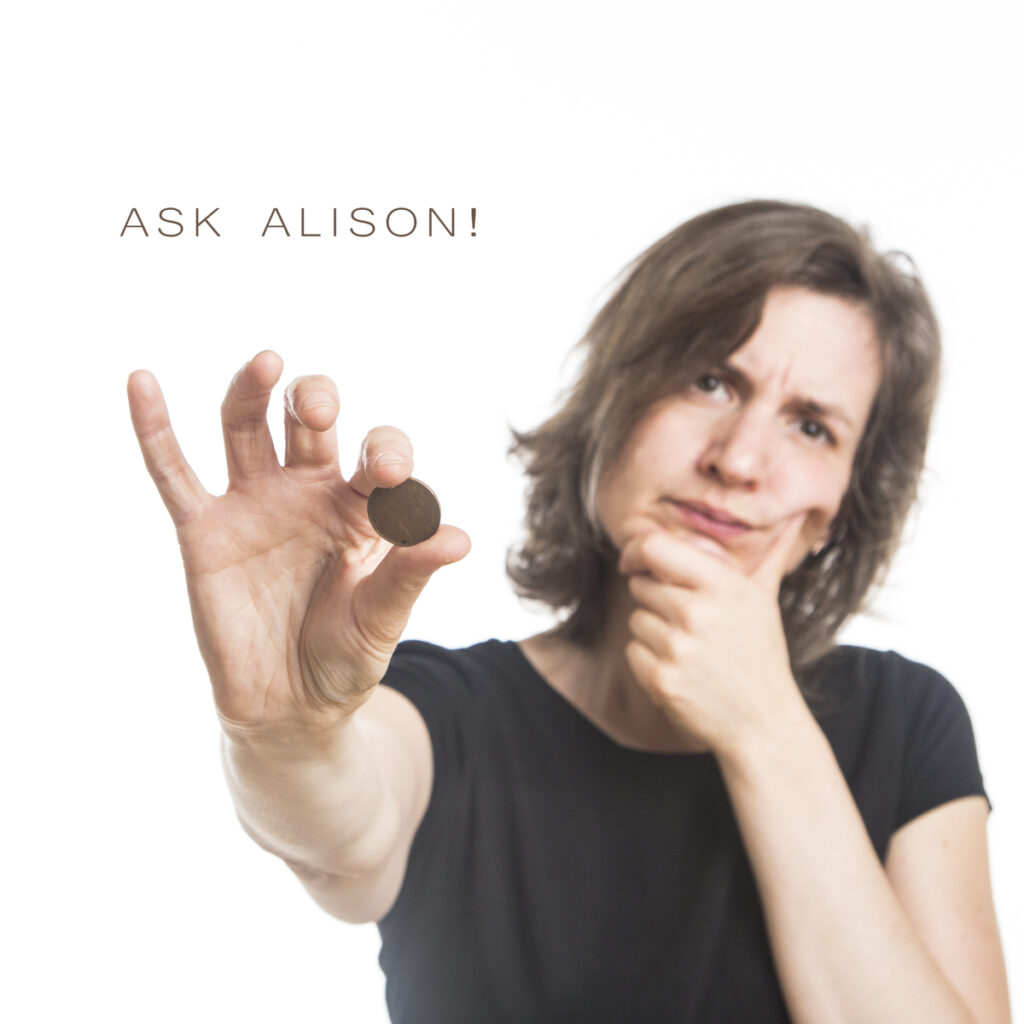
Penny for your thoughts. Hmn, you look troubled. Or just pensive, perhaps. I can see there’s a lot you’re thinking about. If I give you a penny (this is an old – 1535 – phrase, it would probably be worth a few million now!), will you tell me what’s on your mind?
Another phrase with ‘penny’ I wanted to do was “to spend a penny” as euphemism for going to the toilet. My grandmother always used to say it. It comes from the cost of using a public convenience, which back in the nineteenth century, in Britain at least, had coin-operated locks on the doors. And of course, in certain circles, at certain times, one does not want to even come close to mentioning any actual bodily function! So “I’m spending a penny” spares everyone’s blushes.
Interesting fact: the coin in this picture is actually a 2p!
If you go out tonight, try to avoid wearing beer goggles. You’ll know in the morning if you did. These magical glasses are worn after a few drinks too many, making anyone look like the most attractive person in the world. You have been warned!
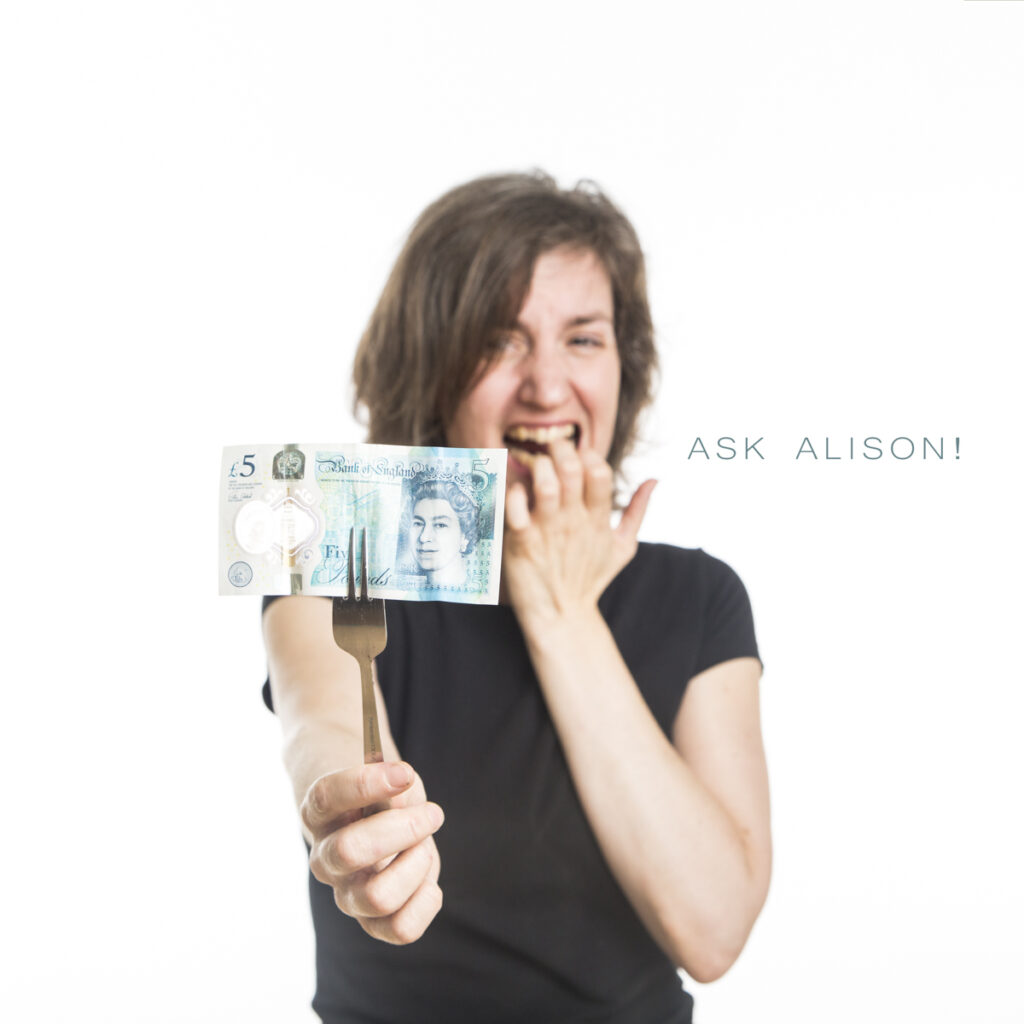
You fork out for something when you pay money for something (more than you thought?) and you don’t really want to. This phrase gives me an image of turning over soggy soil with a big garden fork, like spending the money is a big effort that really hurts. You usually only fork out for un-fun expensive things, like a new washing machine, travel insurance to America, or renewing a monthly travel card. It’s heavy work!
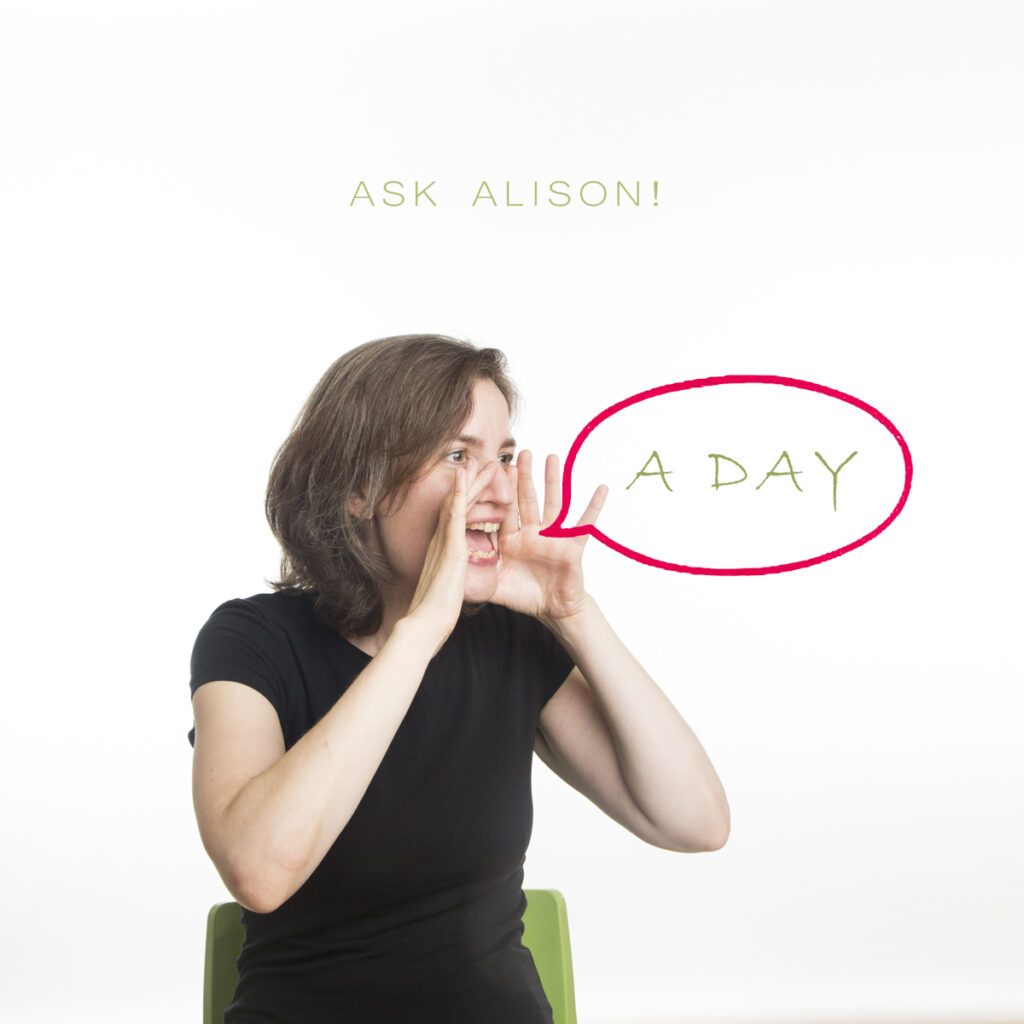
Call it a day. When you decide to finish the workday: “I’ve been at work since early this morning, I’m going to call it a day and go home.”
Alternatively, when you decide to finish a sociable evening: “We’ve been out since 9pm – at the restaurant, then the bar, now back at my friend’s. It’s 3am. I’m tired and drunk. I’m going to call it a night and go home. Bye everybody!”
Or just finishing anything: “I think we’ve covered enough idioms for one page. Let’s call it a day.”